Shopify Grow
Your Shopify plan.
- Plan, billed yearly
- £49
- Card fees1.7% + 25p on each of 200 orders
- £135
Total a month
£184
A UK Shopify alternative that recognises your product export on upload and keeps your handles, so a shop of a couple of hundred products moves in a weekend. After that, Team’s £85 a month seats ten people where Grow’s £65 seats six.
Solo is £25 a month, the same as Shopify Basic (checked 24 September 2026). Prices exclude VAT. How switching works
Shopify product import built in
Variants, options and images in one pass
Product handles kept
Collection links forward
Office chairs
Sort ByNewest
Ventra Mesh Task Chair
£346.00
Choose options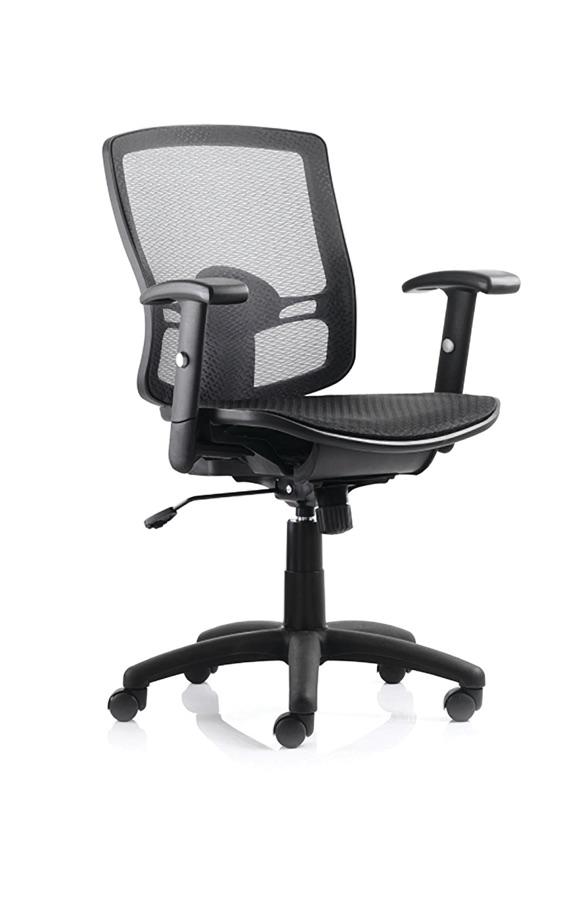
Portland Mesh Task Chair
£409.00
Add to cart
Zure Executive Chair
£815.00
Add to cart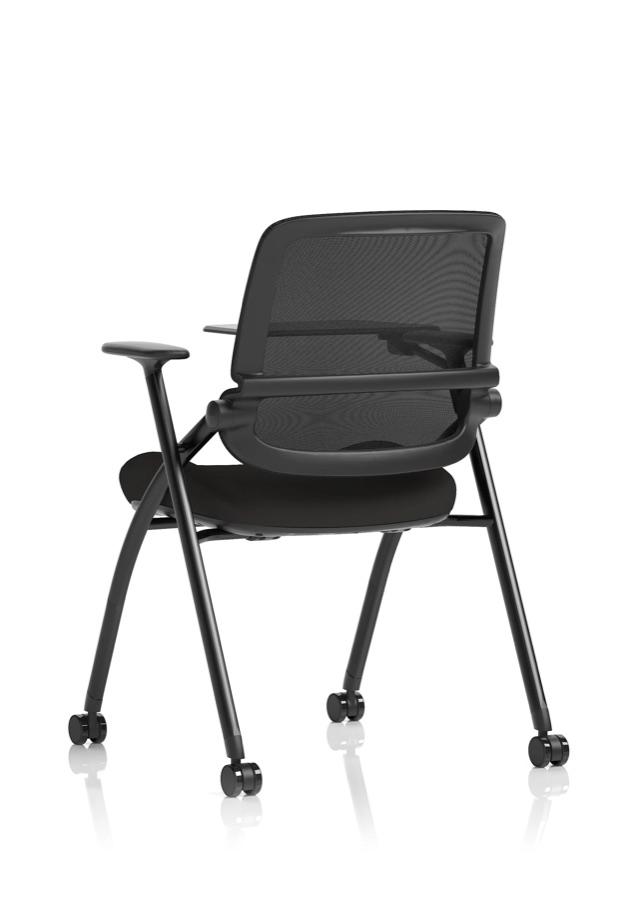
Capra Folding Training Chair
£259.00
Add to cartProduct handles kept
Collection links forward
Team is £85 a month against Grow’s £65 and seats ten people where Grow seats six. UK personal cards cost 1.7% + 25p on each.
Opens that comparison in the costs below.
Automatic redirects
When handles change
Shopify exports products, customers and orders as CSV files. Orbit reads the product export as it is, the customer and order files go through its column mapper, and the links that rank today keep resolving.
Shopify’s product export is recognised the moment you upload it: variants, options, images and handles come through in one pass, up to 100MB a file.
Customers keep their details, and each past order joins the customer with the same email address. You line up Shopify’s order columns in the mapper before anything is written.
Product pages keep their handles, and old /collections/ links forward to the matching /categories/ page on their own.
Upload Shopify’s redirect export and its Redirect from and Redirect to columns are read as they are. Change a product’s handle later and the redirect is added for you.
Ten staff seats on Team
Owner included, invited by email
Entry prices match. The difference shows once you have staff, sell to Amex cards, or run a catalogue with hundreds of photos. Shopify’s figures are its published UK prices, checked on the date under the table.
Team is £85 a month and seats ten people, owner included. Shopify Grow is £65 and seats six; the seventh person means Advanced at £344. Pro seats 40 at £249.
Orbit charges UK-issued Amex at 2%, 1.7% or 1.5% + 25p by plan, the same as personal Visa and Mastercard. Shopify Payments charges 3.1%, 2.7% or 2.5% + 25p.
Cards run on Orbit Payments, with PayPal alongside, and the card rate for your plan is the whole cost of a card payment, our share included. Shopify adds 2%, 1% or 0.6% of each order on third-party gateways.
Photos, video and 3D models up to 2,000 a product, with GLB or GLTF models and an optional USDZ for AR on iPhone. Shopify allows 250 media a product, images, video and 3D combined.
A shop of a couple of hundred products does this in a weekend. Nothing on Shopify changes until the last step.
14 days, no card. Your Shopify shop keeps trading while you test.
Upload Shopify’s product CSV export, up to 100MB a file. It is recognised on upload, and you see your first product before anything is written.
Upload the customer and order exports and line up their columns in the mapper. Each order joins the customer with the same email address.
Pick one of our free or premium themes and shape it in the page builder, or paste your current homepage address into Nebula and it drafts sections in your colours and fonts.
Switch on Orbit Payments, connect PayPal if you use it, and print labels through Orbit Shipping or your own Royal Mail, DPD, Yodel or Parcelforce account.
Upload Shopify’s redirect export for the long tail of old URLs, point the domain in a quiet hour, and keep Shopify on its cheapest plan for a fortnight as a safety net.
Orbit’s figures come from the pricing data; Shopify’s are its published UK prices on the date below.
| Orbit Commerce | Shopify | |
|---|---|---|
| Entry plan | Solo £25 a month (£19 billed yearly) | Basic £25 a month (£19 billed yearly) |
| Mid plan | Team £85 a month (£64 billed yearly) | Grow £65 a month (£49 billed yearly) |
| Top plan | Pro £249 a month (£187 billed yearly) | Advanced £344 a month (£259 billed yearly) |
| Staff accounts | 10 on Team, 40 on Pro, unlimited on Enterprise, owner included | None / 5 / 15, plus the owner; unlimited on Plus |
| UK personal cards | 2% / 1.7% / 1.5% + 25p | 2% / 1.7% / 1.5% + 25p |
| UK Amex cards | 2% / 1.7% / 1.5% + 25p | 3.1% / 2.7% / 2.5% + 25p |
| Cards outside Europe | 3.65% / 3.35% / 3.15% + 25p | 3.1% / 2.7% / 2.5% + 25p |
| Other gateway fee | None; cards run on Orbit Payments (Stripe) at the published rate | 2% / 1% / 0.6% of each order |
| Checkout customisation | Comes with Enterprise, £999 a month | Plus, from £1,800 a month |
| Media per product | Up to 2,000 files | Up to 250, images, video and 3D combined |
| Free trial | 14 days, no card | 3 days free, then £1 a month for 3 months |
Shopify prices and features checked 24 September 2026 against shopify.com/uk/pricing (opens in a new tab), help.shopify.com and apps.shopify.com. Shopify is a trademark of its owner. Figures exclude VAT unless stated. Spotted something out of date? Tell us.
The plan you picked above, beside its Orbit equivalent. Same shop, same cards, same month.
The sum assumes £5,000 of sales a month over 200 orders, all on UK personal cards through each platform’s own payments, both plans billed yearly, prices ex VAT.
Your Shopify plan.
Total a month
£184
The same shop, the same cards.
Total a month
£199
Four more seats for £15 a month.
The importers and the redirect importer are on every plan. Plans differ by seats, storage, card rates and the Enterprise extras, never by how much you sell.
£19
a month, billed yearly, ex VAT
Included: Product, customer and order import
14 days free, no card
£64
a month, billed yearly, ex VAT
Included: Product, customer and order import
14 days free, no card
£187
a month, billed yearly, ex VAT
Included: Product, customer and order import
14 days free, no card
£749
a month, billed yearly, ex VAT
Included: Product, customer and order import
14 days free, no card
Sort them in week one of the trial, while Shopify keeps selling.
Your app list
Some jobs come with every plan: gift cards and cart reminder emails, subscription plans on any product, and the Google Analytics, Google Ads, Facebook, TikTok, Snapchat and Pinterest tags. Product reviews and more come from the plugin store, each priced before you install.
Delivery
Orbit Shipping buys Royal Mail, Evri, DPD, Yodel, Parcelforce Worldwide, FedEx UK and GlobalPost labels from inside the order, or use your own Royal Mail, DPD, Yodel or Parcelforce account. The tracking number goes out in the customer’s despatch email.
How you take payments
Cards run on Orbit Payments, powered by Stripe, and Apple Pay and Google Pay appear on the card step. Connect PayPal if your customers use it. The card rate for your plan is the whole cost of a card payment, our share included.
A Nebula draft
Your pages
Paste your current homepage address into Nebula and it drafts sections in your colours and fonts, or start from a free or premium theme in the page builder.
Enterprise, not Plus
Checkout customisation
Checkout customisation comes with Enterprise at £999 a month; Shopify lists it with Plus, from £1,800 a month. Every plan gets the standard checkout: address and delivery on Orbit’s page, the card step on a Stripe-hosted page.
Export any time
Your data
Products, customers, orders, inventory, categories, redirects and blog posts export as CSV from the dashboard whenever you like, and monthly billing has no long contract.
Cost, what moves, rankings, subscribers, cards, and taking your data with you.
Products
The importer, the column mapper and the first-product preview, on every plan.
See the product importerPricing
Solo, Team, Pro and Enterprise, monthly or yearly, and what each one includes.
See the pricingOperations
Reorder planning, suppliers, bins and picking on Enterprise, with an importer for your Stocky exports.
See OperationsRun your Shopify exports through the importer, click round every product, and point the domain only when it is right. Shopify keeps running until you do.
We use cookies to enhance your browsing experience, analyse site traffic, and personalise content. By clicking "Accept all", you consent to our use of cookies. You can manage your preferences or learn more in our Cookie Policy.